The Lost Gardens of Heligan: Sleeping Beauty Awakened
About this story
Tim Smit's discovery of the Lost Gardens of Heligan awakened a forgotten paradise, once cultivated by young gardeners who bravely went to war, leaving behind a poignant legacy of remembrance.
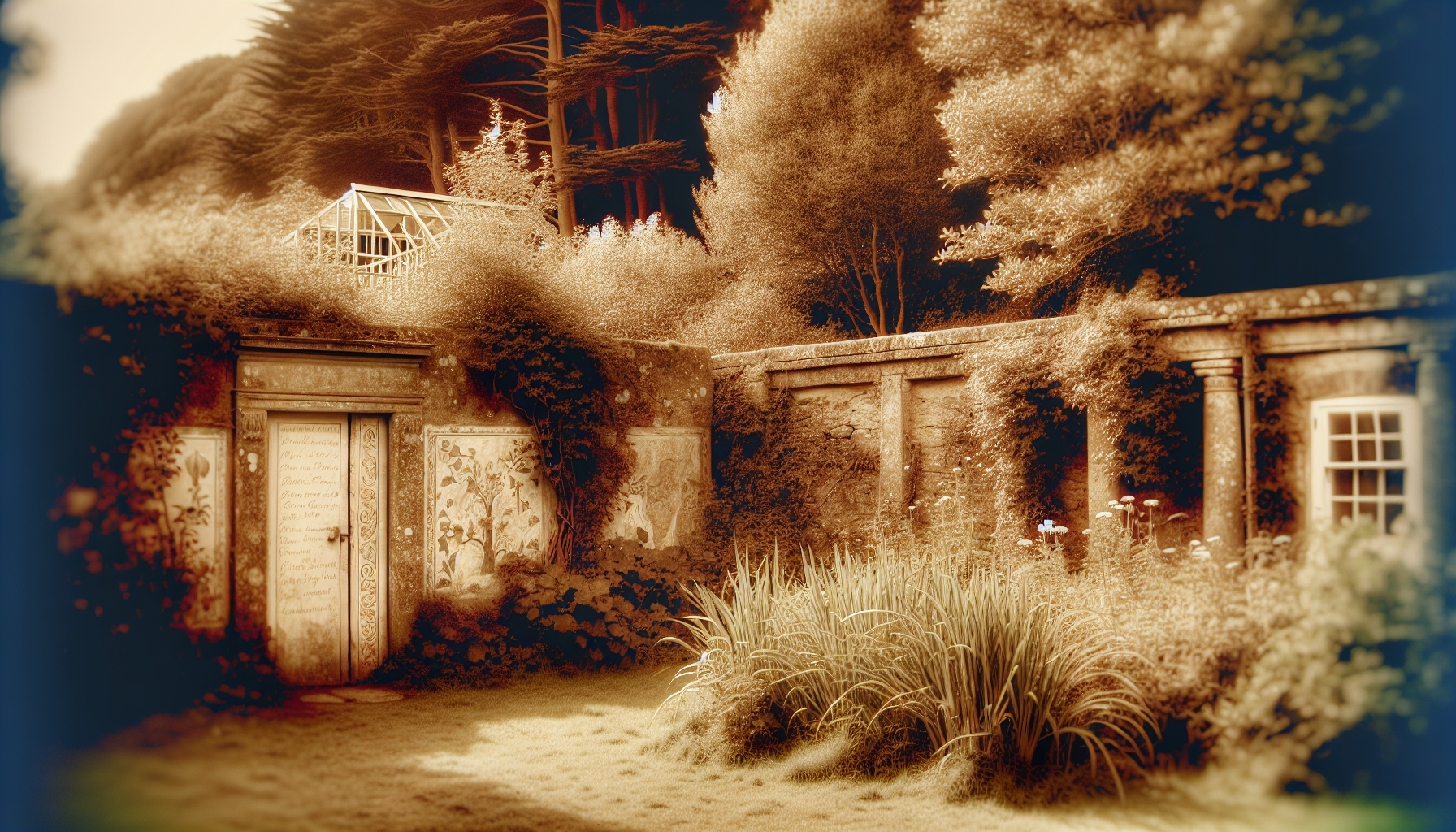
In 1990, Tim Smit was exploring the overgrown grounds of a derelict Cornish estate when he found something extraordinary: a door hidden beneath brambles, and beyond it, a secret garden that had been sleeping for seventy years.
The Heligan estate had been one of the finest gardens in England, cultivated by the Tremayne family for over 400 years. But in 1914, war came, and the young gardeners who tended Heligan marched away to the trenches of France. Most never returned.
On a wall in the old thunderbox toilet, Smit found their names scratched into the plaster, dated August 1914: "Don't come here to sleep or slumber..." The last message from the gardeners before they went to war.
Of the 22 gardeners and estate workers who signed that wall, only eight came home. Without them, the gardens fell into decay. Brambles consumed the productive gardens. Trees crashed through glasshouses. The jungle swallowed everything.
What Tim Smit and a team of volunteers uncovered was remarkable: a complete Victorian productive garden, frozen in time. Pineapple pits heated by rotting manure. A melon yard. An Italian garden. A bee-bole. All buried but intact.
The restoration of Heligan became one of the largest garden restoration projects in Europe. Today, over 200,000 visitors a year walk through gardens that tell the story of those young men who scratched their names on a wall and went to war.
Source: Lost Gardens of Heligan historical records, Tim Smit's published accounts, and WWI memorial archives. Garden history information freely available for educational purposes.
Comments (0)
Sign in to join the conversation
No comments yet. Be the first to share your thoughts!
More stories you might enjoy

The Great Eclipse of 1999: When Cornwall Went Dark
On August 11th, 1999, Cornwall experienced the first total solar eclipse visible from mainland Britain since 1927. For two minutes and four seconds, day became ...
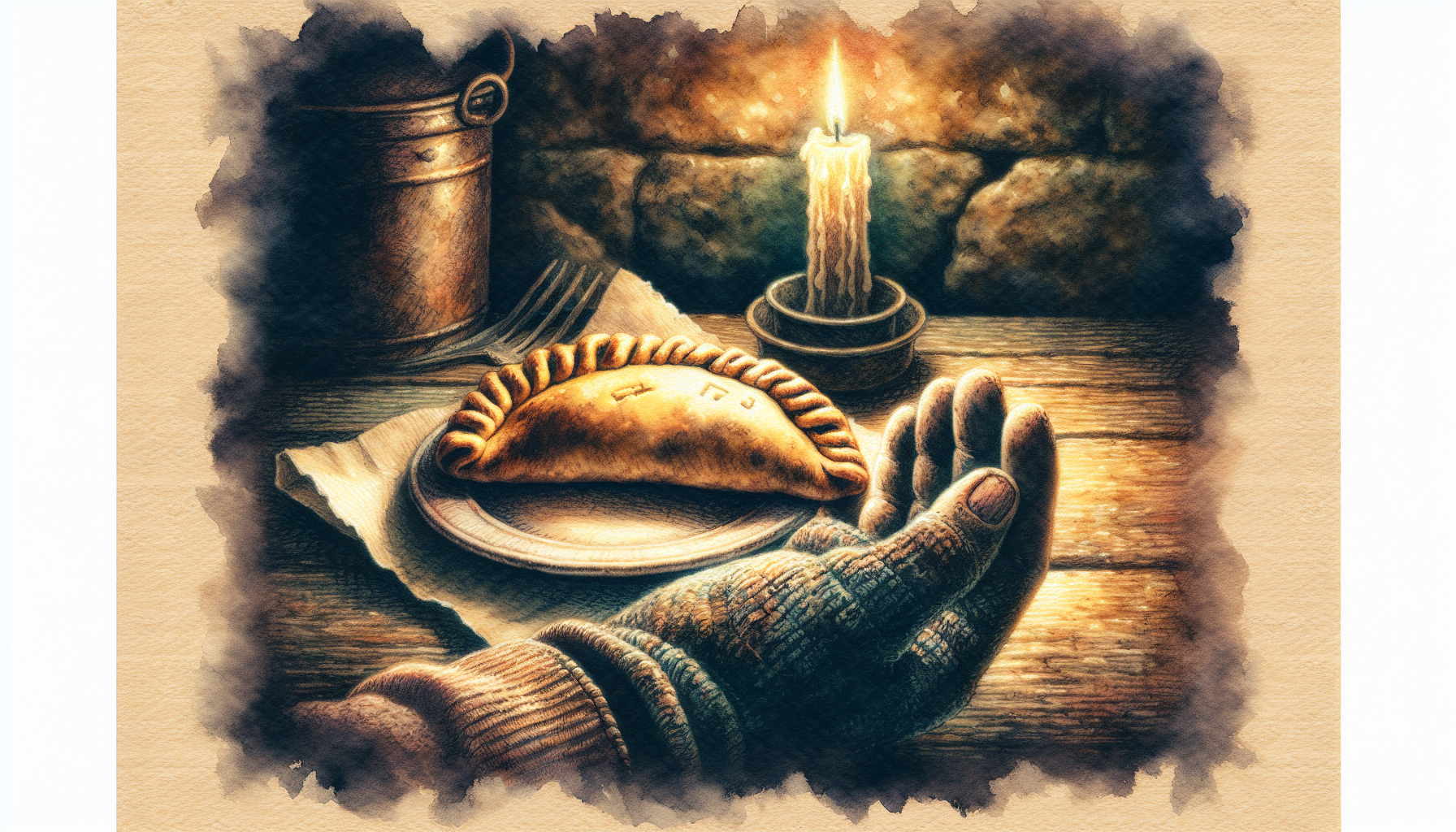
The Cornish Pasty: A Miner's Portable Feast
The Cornish pasty is more than food — it's a piece of engineering designed for the most dangerous workplace in the world: the tin mine. The crimped crust tha...
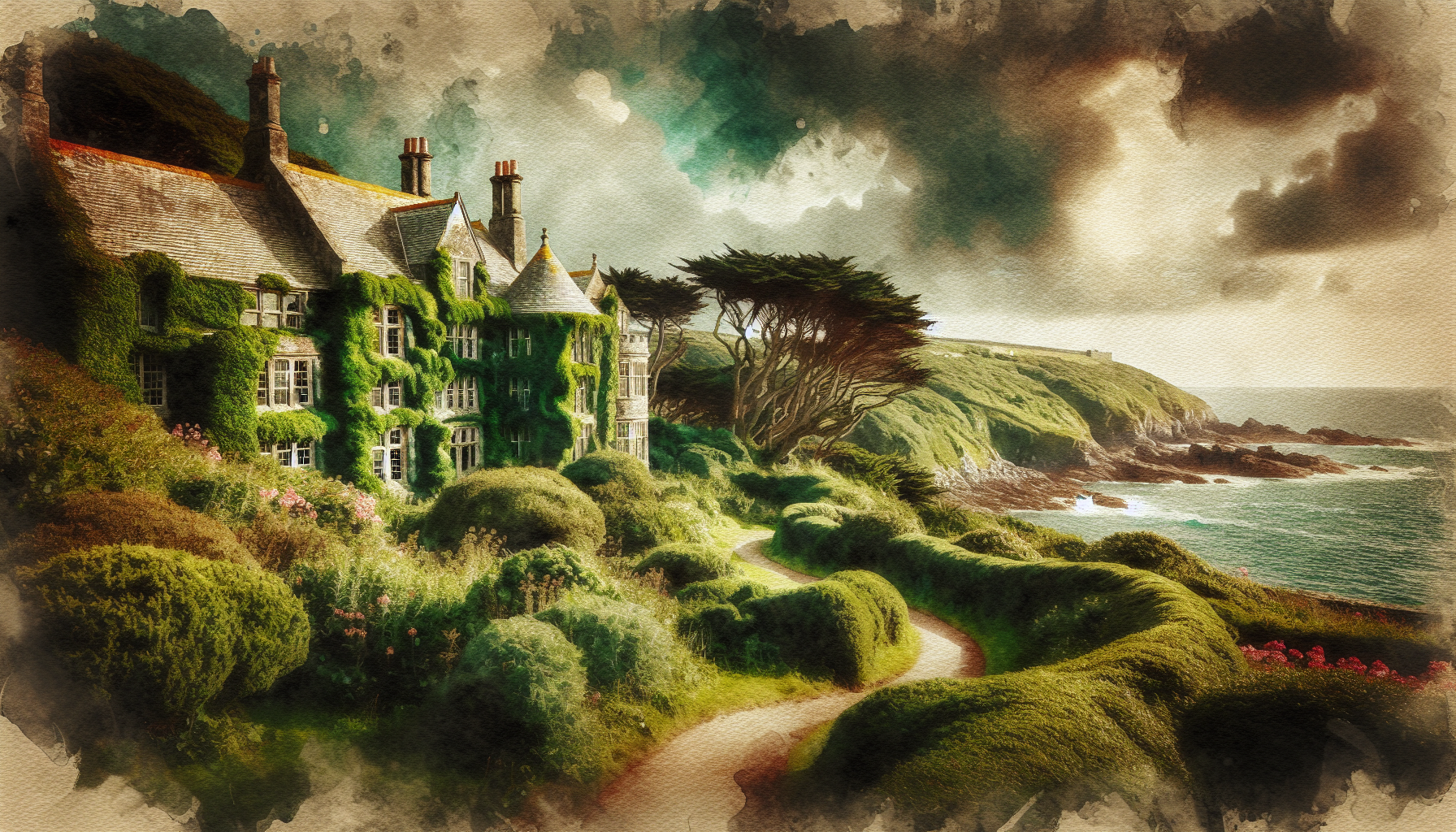
Daphne du Maurier: The Writer Who Made Cornwall Famous
When Daphne du Maurier first saw the ruins of Menabilly House near Fowey in 1927, she was twenty years old and instantly bewitched. "I stood there like someone ...