Richard Trevithick: The Cornishman Who Invented the Steam Age
About this story
Richard Trevithick, a Cornish pioneer, astonished the world with his self-propelled 'Puffing Devil.' His innovations laid the groundwork for the steam age, yet he died unrecognized.
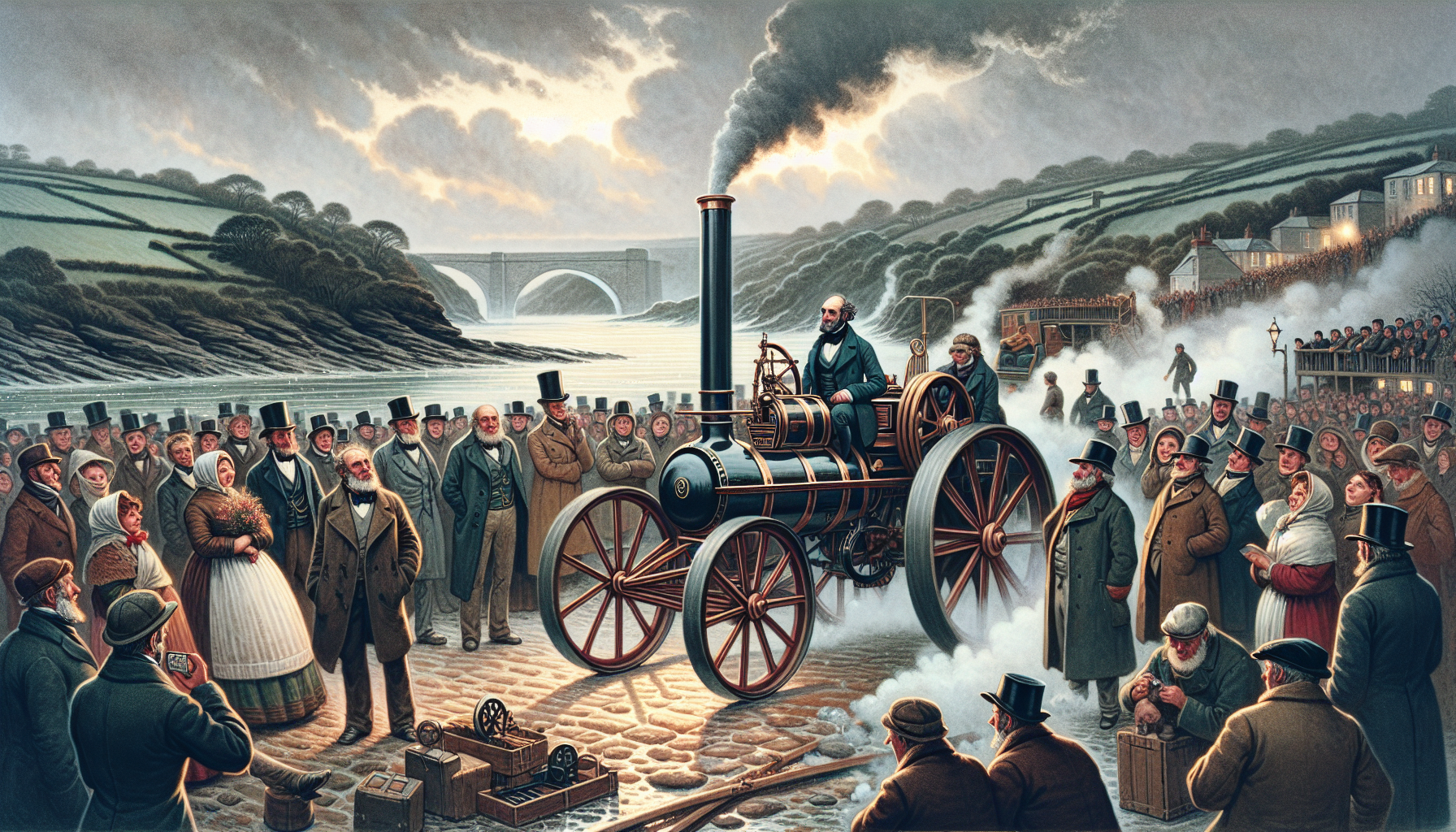
On Christmas Eve, 1801, a crowd gathered on the road above Camborne to witness something that had never been seen before in all of human history: a machine that moved by its own power, without horse or wind or water.
Richard Trevithick, the giant of a man from Illogan who stood six foot two and could lift a half-ton mine pump single-handed, had built the world's first self-propelled passenger-carrying vehicle. He called it the "Puffing Devil."
The machine coughed, hissed, and then — incredibly — began to move. It climbed Camborne Hill with Trevithick and several passengers aboard, terrifying horses and astonishing onlookers who had been told such a thing was impossible.
Trevithick went on to build the world's first railway locomotive in 1804, proving that smooth wheels could grip smooth rails. He invented the high-pressure steam engine that would power the Industrial Revolution. He drained the tin mines of Cornwall with engines of his own design.
Yet Trevithick died penniless in 1833, his genius unrecognised in his lifetime. His fellow engineers at the factory where he worked took up a collection to pay for his funeral.
Today, Cornwall celebrates "Trevithick Day" every April in Camborne, with parades of steam engines and a replica of the Puffing Devil that retraces its historic journey up the hill. The Cornishman who invented the steam age is finally remembered.
Source: Trevithick Society records, Science Museum archives, and historical accounts from the Institution of Mechanical Engineers. Public domain historical biography.
Comments (0)
Sign in to join the conversation
No comments yet. Be the first to share your thoughts!
More stories you might enjoy

The Great Eclipse of 1999: When Cornwall Went Dark
On August 11th, 1999, Cornwall experienced the first total solar eclipse visible from mainland Britain since 1927. For two minutes and four seconds, day became ...
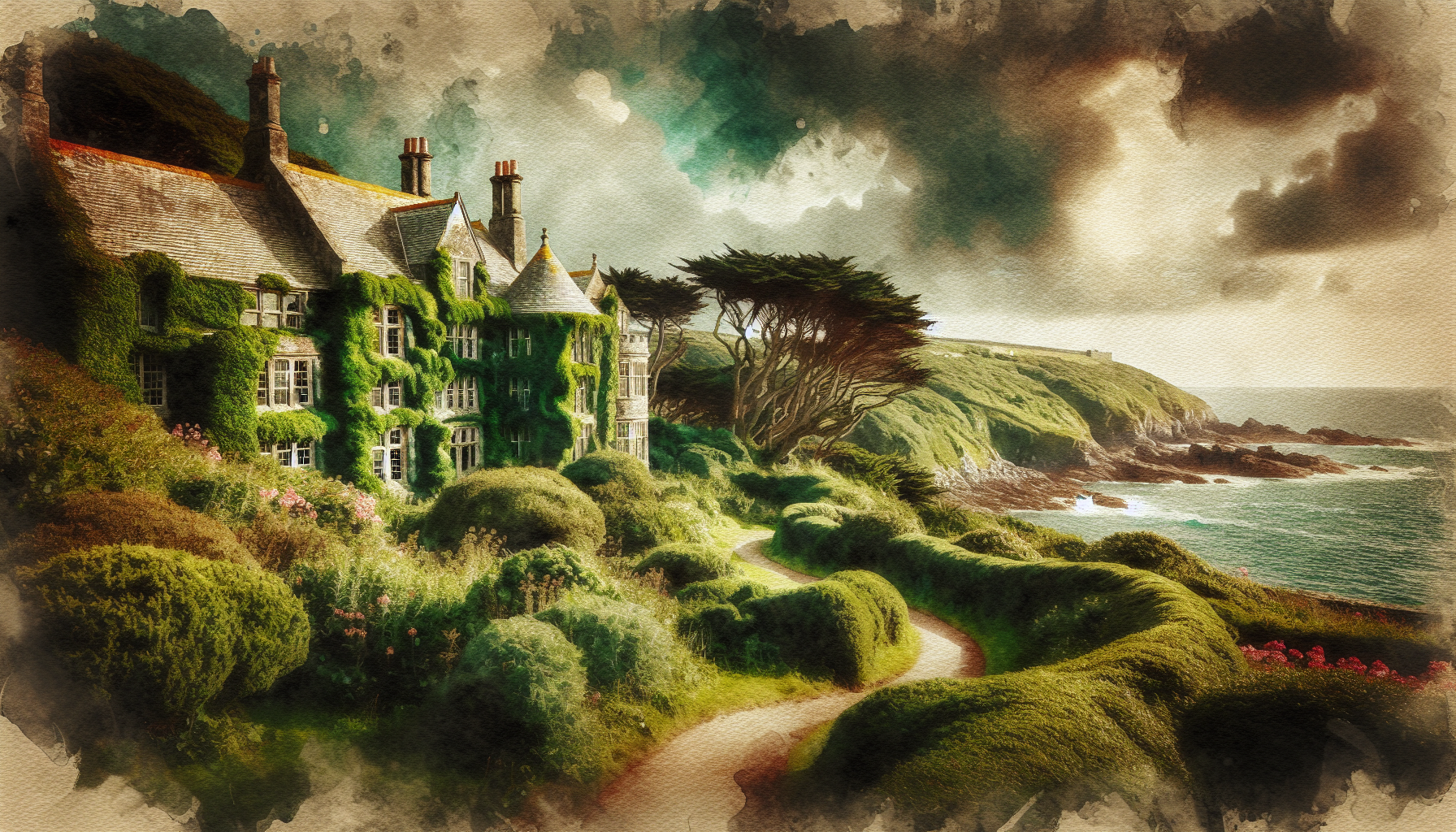
Daphne du Maurier: The Writer Who Made Cornwall Famous
When Daphne du Maurier first saw the ruins of Menabilly House near Fowey in 1927, she was twenty years old and instantly bewitched. "I stood there like someone ...
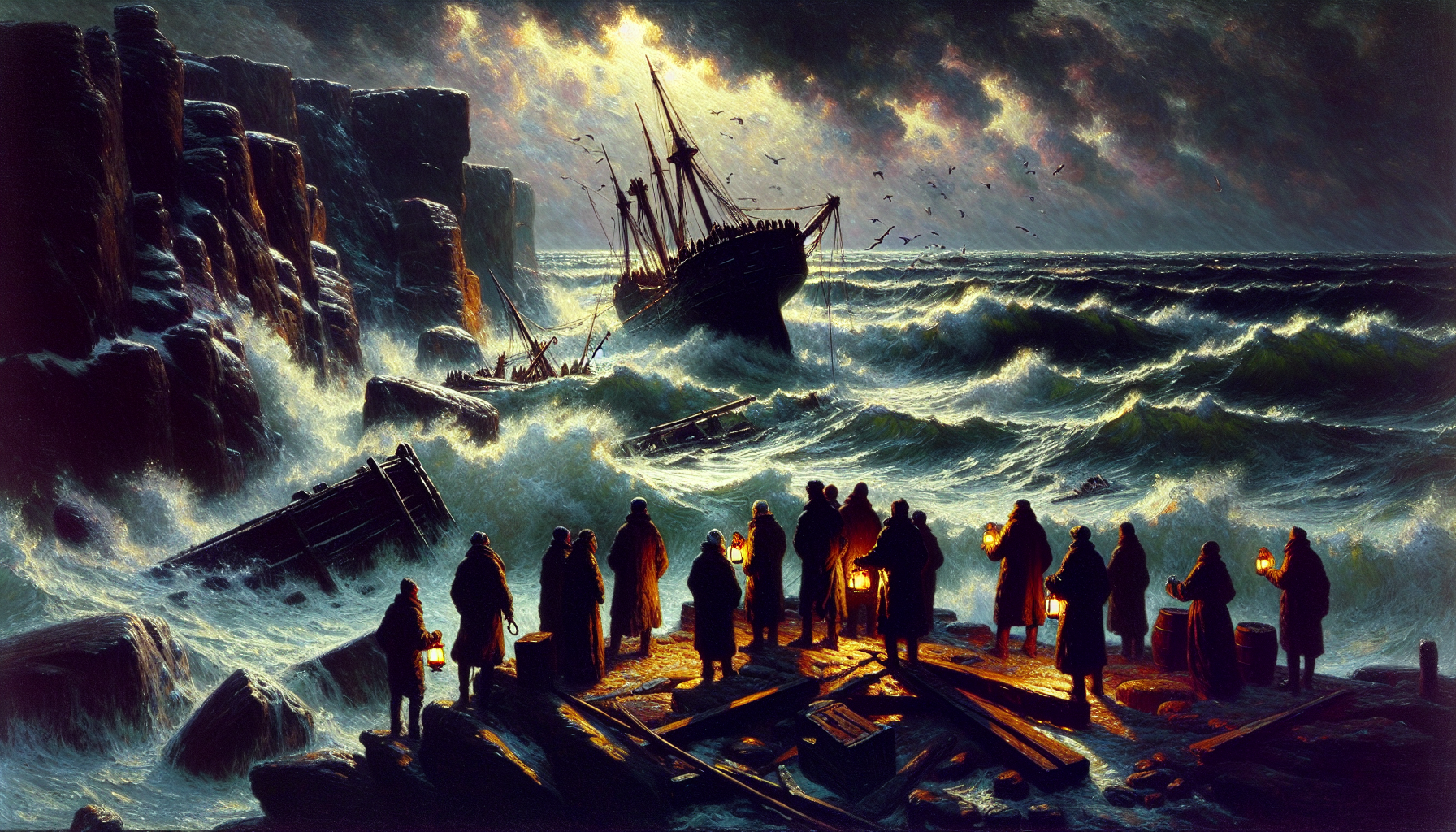
The Wreckers: Truth Behind Cornwall's Darkest Legend
The image of Cornish villagers luring ships onto the rocks with false lights is one of the most persistent legends of the county. But how much of it is true? ...