The Death and Resurrection of the Cornish Language
About this story
The story of the Cornish language's revival, from its decline after Dolly Pentreath's death in 1777 to its recognition as a critically endangered language, showcases resilience and cultural revival.

In 1777, Dolly Pentreath of Mousehole died. She is traditionally remembered as the last native speaker of Cornish — the ancient Celtic language that had been spoken in Cornwall for over a thousand years.
The language didn't die suddenly. It faded gradually as English became the language of commerce, education, and power. By the 18th century, Cornish was spoken only by a few elderly fishermen and farmers in the far west. When they died, the language died with them.
Or so it seemed.
In 1904, a Celtic scholar named Henry Jenner published "A Handbook of the Cornish Language." He had painstakingly reconstructed the language from medieval texts, place names, and the scattered records of 18th-century scholars. It was an act of archaeological linguistics — digging up a dead language and breathing life back into it.
Slowly, dedicated enthusiasts began learning Jenner's reconstructed Cornish. Gorsedh Kernow was founded in 1928 to promote Cornish culture. Schools began offering Cornish classes. Children grew up speaking a language that had been declared dead.
In 2010, UNESCO changed its classification of Cornish from "extinct" to "critically endangered." In 2014, Cornish was officially recognised by the UK government under the European Charter for Regional or Minority Languages.
Today, several hundred people speak Cornish as a second language, and a handful of families are raising children as native speakers. The language that died with Dolly Pentreath has risen from the grave.
Kernow bys vyken. Cornwall forever.
Source: Gorsedh Kernow archives, UNESCO Language Atlas, and Cornish Language Partnership records. Cultural heritage information in the public domain.
Comments (0)
Sign in to join the conversation
No comments yet. Be the first to share your thoughts!
More stories you might enjoy
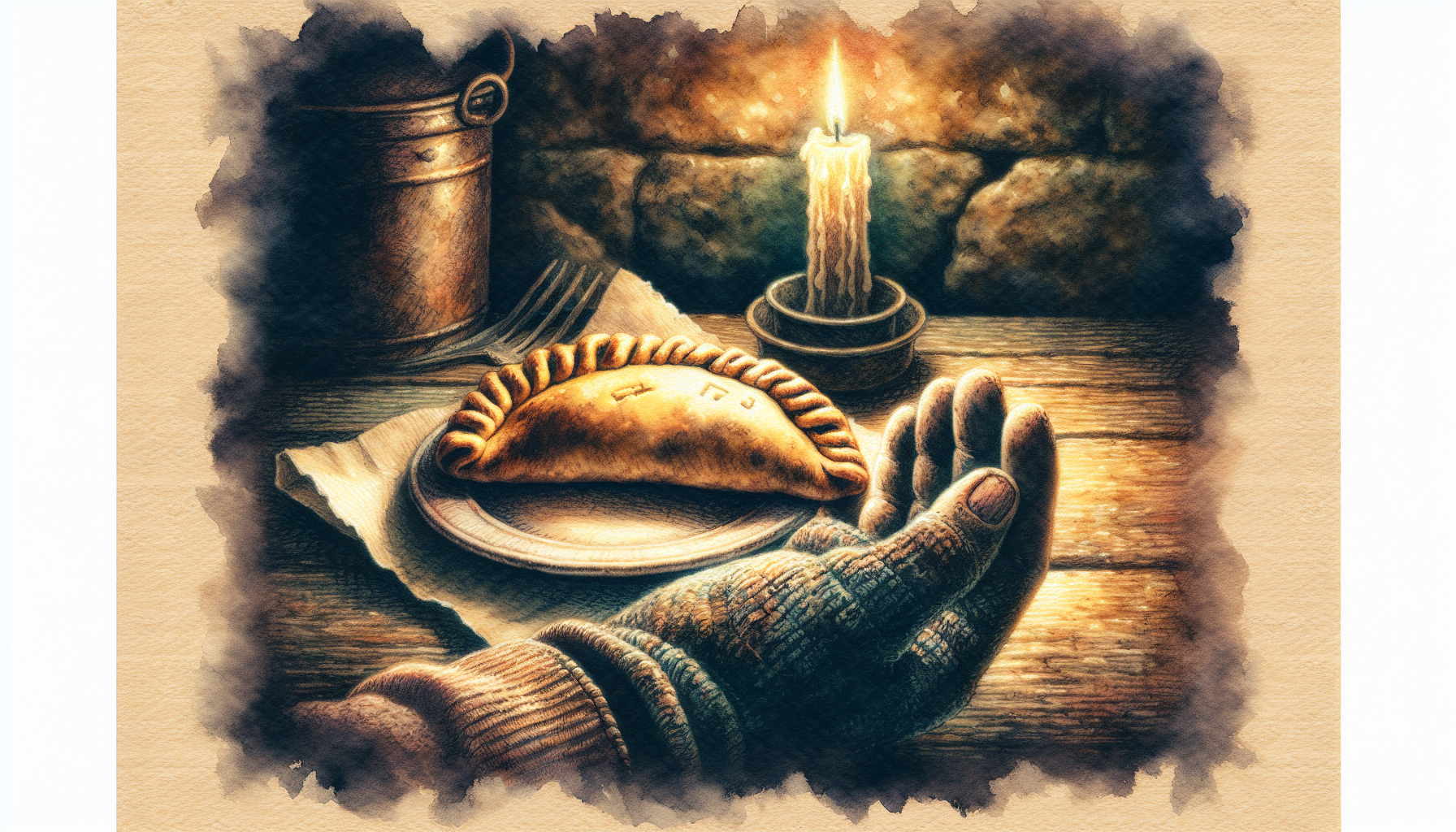
The Cornish Pasty: A Miner's Portable Feast
The Cornish pasty is more than food — it's a piece of engineering designed for the most dangerous workplace in the world: the tin mine. The crimped crust tha...
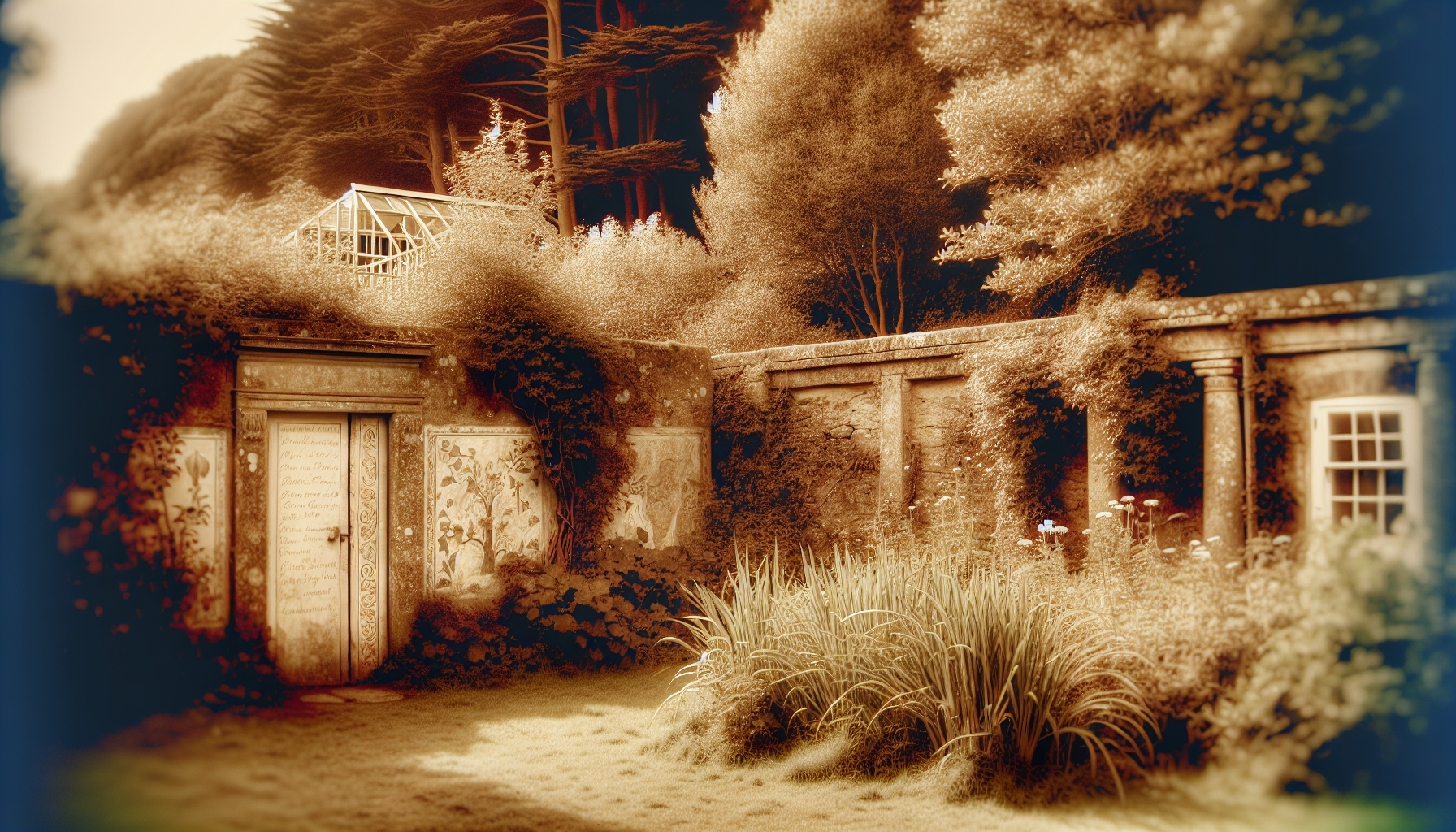
The Lost Gardens of Heligan: Sleeping Beauty Awakened
In 1990, Tim Smit was exploring the overgrown grounds of a derelict Cornish estate when he found something extraordinary: a door hidden beneath brambles, and be...
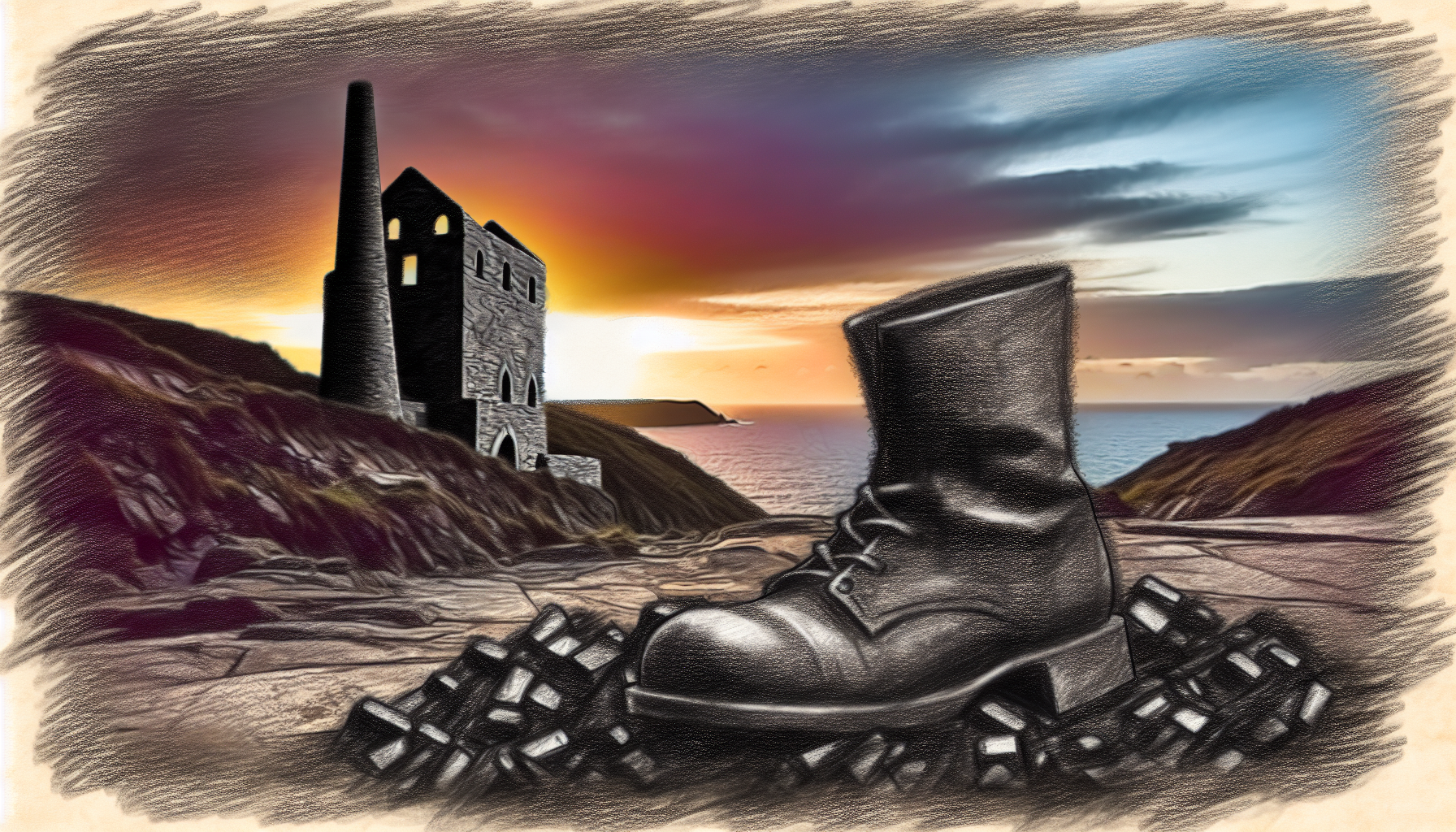
Dolcoath Mine: The Queen of Cornish Mines
For over 400 years, Dolcoath Mine near Camborne was the deepest, richest, and most famous tin and copper mine in Cornwall — and arguably the world. The Cornish ...